

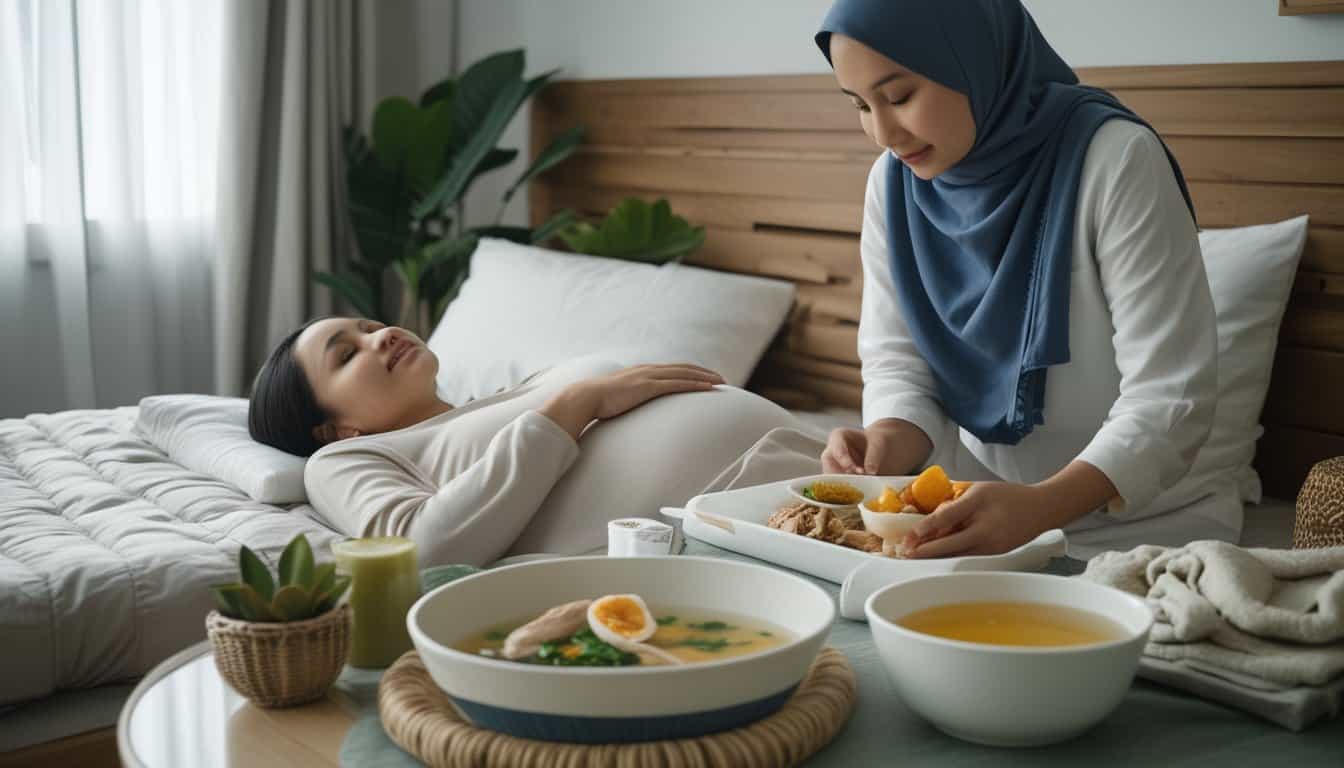
What Confinement Care Means in Malaysia
Confinement care in Malaysia supports mothers after childbirth with rest, recovery, newborn care, meals, and practical household help.
In Malaysia, confinement care is influenced by a mix of cultural traditions and modern postnatal practices. Families may follow customs passed down through generations, while also choosing services that fit current lifestyles, work schedules, and medical guidance. This makes confinement care flexible, but it also means first-time parents often need clear information before making decisions. Related source: find a confinement lady in Malaysia.
Why Confinement Care Matters After Birth
The weeks after birth are physically and emotionally demanding. A mother may be healing from labour or surgery, adjusting to breastfeeding, coping with sleep loss, and learning newborn care all at once. Proper confinement care helps reduce stress during this period by creating a more stable routine at home.
Good postnatal support may also encourage better rest, healthier meals, and safer baby handling. When a mother has help with daily tasks, she can focus more on recovery and bonding with the baby. For many households in Malaysia, confinement care is seen as a practical bridge between hospital discharge and full family routine.
Common Types of Confinement Care in Malaysia
There is no single arrangement for confinement care in Malaysia. Some families rely on relatives, while others hire a confinement lady, use a confinement centre, or combine several forms of support. The right choice often depends on budget, home environment, cultural preferences, and the amount of help already available from family members.
A confinement lady usually stays with the family to assist with daily postnatal needs. A confinement centre offers structured care in a dedicated facility, often with meal planning and baby support included. In some cases, family members may share the responsibilities informally, especially when they have experience in postnatal care.
Traditional Practices Often Seen During Confinement
Traditional confinement practices remain common in many Malaysian homes, although the exact customs may differ by family and culture. These practices often focus on warmth, rest, diet, and protection from strain during the recovery period. Some families may follow long-held beliefs closely, while others adapt them to suit modern medical advice.
Common examples include staying indoors more often, avoiding heavy physical work, and eating foods believed to support recovery. Some families also prefer warm meals and drinks, gentle body care, and limited exposure to cold environments. While traditions remain meaningful, parents are increasingly encouraged to balance custom with practical health needs.
What to Expect from a Confinement Lady
A confinement lady typically provides hands-on help for the mother and baby during the postnatal period. Her responsibilities may include preparing meals, assisting with bathing routines, supporting breastfeeding, and helping the mother rest. Some confinement ladies also take charge of light household duties related to the baby’s care.
Because the role can vary, families should clarify expectations early. Some confinement ladies are highly experienced in traditional routines, while others are trained to follow more modern postnatal care practices. Clear communication about meals, baby feeding methods, sleep arrangements, and hygiene standards helps avoid misunderstandings later.
Choosing Between Home Care and a Confinement Centre
Both home-based care and confinement centres are common in Malaysia, and each option has its own advantages. Home care may feel more comfortable because the mother stays in familiar surroundings and family members can visit more easily. It may also be preferred when the household already has enough space and support.
A confinement centre may suit families that want more structured care, set meal schedules, and dedicated postnatal services. It can also reduce pressure on the home if space is limited or if family members are busy with work. Before choosing, parents should consider privacy, cost, hygiene, staff experience, and how much baby-related support is included. Related source: top-rated confinement centre in Kuala Lumpur.
Foods and Nutrition During the Confinement Period
Nutrition is one of the most important parts of confinement care in Malaysia. After childbirth, the body needs enough energy, fluids, and nutrients to support recovery and milk production. Many confinement meals are designed to be warm, nourishing, and easy to digest.
Typical meals may include rice, vegetables, protein sources, and soups prepared in ways that match confinement traditions. Some families also avoid certain ingredients for cultural reasons, while others focus more on balanced nutrition recommended by health professionals. The overall aim is to keep meals practical, comforting, and suitable for recovery.
Practical Tips for First-Time Parents
First-time parents often benefit from planning confinement care before the baby arrives. A useful first step is to decide who will provide support, what tasks they will handle, and how long the arrangement will last. This helps reduce stress during the first weeks after birth, when energy and attention are limited.
Parents should also prepare essentials in advance, such as baby clothing, feeding supplies, hygiene items, and a comfortable resting space for the mother. It is also helpful to discuss emergency contacts, follow-up medical appointments, and feeding preferences early. Simple preparation can make confinement care feel more manageable and less overwhelming.
How to Choose a Reliable Confinement Care Provider
Selecting a reliable provider requires careful checking, especially when the care involves both mother and newborn. Families should look at experience, references, communication style, and the range of services offered. If possible, they should also ask how the provider handles hygiene, baby safety, and support for recovery.
It is wise to ask clear questions before confirming any arrangement. These may include working hours, meal planning, training background, visitor rules, and what happens if the baby or mother needs additional medical attention. A trustworthy provider should be able to explain services clearly and set realistic expectations from the start.
What Families Should Remember About Postnatal Recovery
Postnatal recovery is not the same for every mother. Some may need more rest, extra help with feeding, or longer healing time after delivery. Others may recover more quickly but still benefit from structured support during the early weeks. Confinement care should therefore be flexible and responsive to the mother’s condition.
Families should remember that confinement is not only about tradition. It is also a period for recovery, bonding, and learning how to care for a newborn with confidence. When the arrangement is thoughtful and realistic, confinement care in Malaysia can provide meaningful support during one of the most important transitions in family life.
Trusted Sources and Further Reading
For more information on postnatal recovery and infant care, families can refer to health guidance from the Ministry of Health Malaysia, hospitals, and professional medical organisations. These sources can help parents distinguish between traditional practice and medically supported advice. Official health information is especially useful when there are questions about recovery, breastfeeding, hygiene, or newborn safety.
Useful references include the Ministry of Health Malaysia’s maternal and child health resources, the World Health Organization’s guidance on postnatal care, and UNICEF materials on newborn and breastfeeding support. These publications can help parents make informed decisions while planning confinement care in Malaysia.