

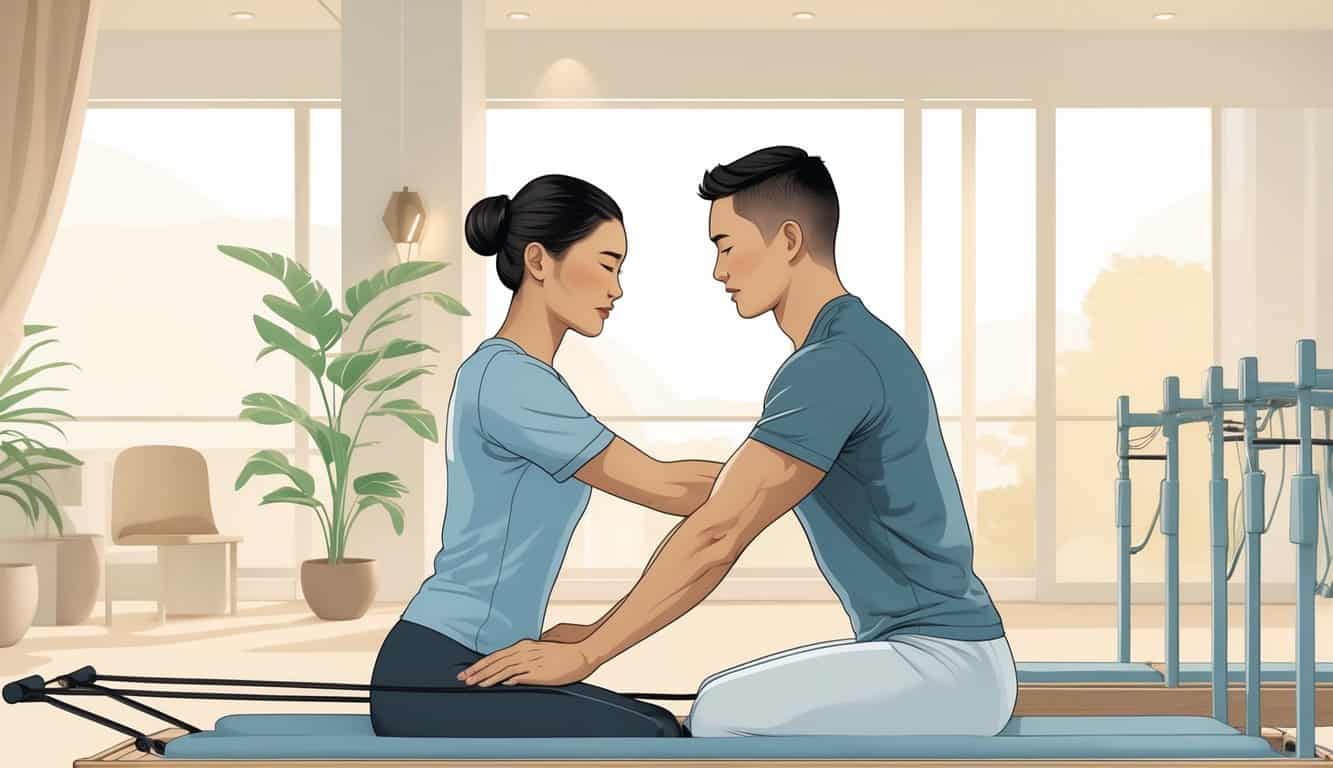
Introduction: Why Choose an LA Pilates Private Pilates Class
If you’re curious about Pilates but worried it might be too technical, a private class is the best place to start. LA Pilates Private Pilates Class classes give you focused attention from an instructor who tailors each move to your body, your goals, and your pace. Whether you’re recovering from an injury, want to build core strength, or simply prefer one-on-one coaching, a private session helps you progress faster and safer than crowded group classes.
What to Expect in Your First Private Pilates Session
Initial Assessment
When you arrive, your instructor will usually begin with a gentle chat about your health history, movement limitations, and what you hope to achieve. Don’t be shy to share any aches, prior injuries, or everyday activities that cause discomfort. This assessment helps them design a session that fits you exactly, lah.
Customized Exercise Plan
Your instructor will demonstrate and guide you through a sequence using reformer machines, a mat, or small props depending on the studio. Each exercise is adapted to your strength and mobility; you won’t be pushed into advanced moves before you’re ready. Expect clear cues, hands-on adjustments only if you consent, and frequent explanations about why each movement matters.
Pacing and Feedback
Private classes move at a pace that suits you. You’ll get immediate, personalised feedback so you can feel and understand proper technique. Over time, this builds confidence and body awareness, making your Pilates practice more effective and enjoyable.
Top Benefits of Private Pilates
Private Pilates gives you focused, individual attention, which speeds up learning and reduces the risk of injury. You’ll receive exercises tailored to your posture, flexibility and goals, which makes every minute count. For beginners, this personalised approach helps you build a strong foundation: better breathing, core stability, and alignment that transfers to daily life and other sports.
Beyond physical gains, private sessions are empowering. You’ll notice improvements more quickly, and that progress keeps you motivated. If you’re recovering from injury or managing chronic pain, the one-on-one setting also gives your instructor the space to coordinate with your physiotherapist or doctor, so your plan stays safe and goal-oriented.
How to Prepare for Your First LA Pilates Private Pilates Class
What to Bring
Bring comfortable, fitted exercise clothes so the instructor can see your alignment. A water bottle and a small towel are handy. Most studios supply equipment and mats, but it’s fine to check ahead if you prefer your own mat. If you’re on any medication or have a recent medical report, bring that information to share.
How to Dress
Wear breathable, stretchy clothes—leggings or shorts and a snug top are great. Avoid baggy shirts that hide your posture. For reformer work, grippy socks are often recommended; again, check with the studio if they provide them. Dress so you feel confident and ready to move.
Setting Realistic Goals
Before your session, think about two simple goals: one short-term (e.g., learn neutral spine and basic breathing) and one longer-term (e.g., reduce lower back pain or improve running posture). Share these with your instructor so they can craft a plan that helps you see steady progress. Small wins early on will keep you inspired to continue.
Choosing the Right LA Pilates Instructor and Booking Your Class
Credentials and Teaching Style
Look for instructors with recognised Pilates certifications and experience teaching private clients. Some instructors specialise in rehabilitation, prenatal or athletic performance—pick one that matches your needs. When you talk to potential instructors, notice whether their coaching feels encouraging and clear; a good match in teaching style makes learning faster and more enjoyable. For broader planning, you can also review Latest Industry News and Insights.
Trial Classes and Pricing
Many studios offer introductory private sessions or package deals so you can try a few classes without committing long-term. Compare pricing but also consider value: a slightly pricier instructor who listens to you and gives clear progress plans is usually worth it. Ask about packages, cancellation policies and any additional costs for equipment or assessments.
What to Ask Before Booking
Before you book, ask about the instructor’s experience with clients like you, how they measure progress, and whether they provide at-home exercises between sessions. Confirm studio hygiene, class length, and whether hands-on adjustments will be used. These simple questions help you book a class that’s safe, effective and aligned with your comfort level. If you need to reach the studio, use Contact Us.