
What is an LA Pilates Private Pilates Class?
Definition and session formats (1:1, duet, private group)
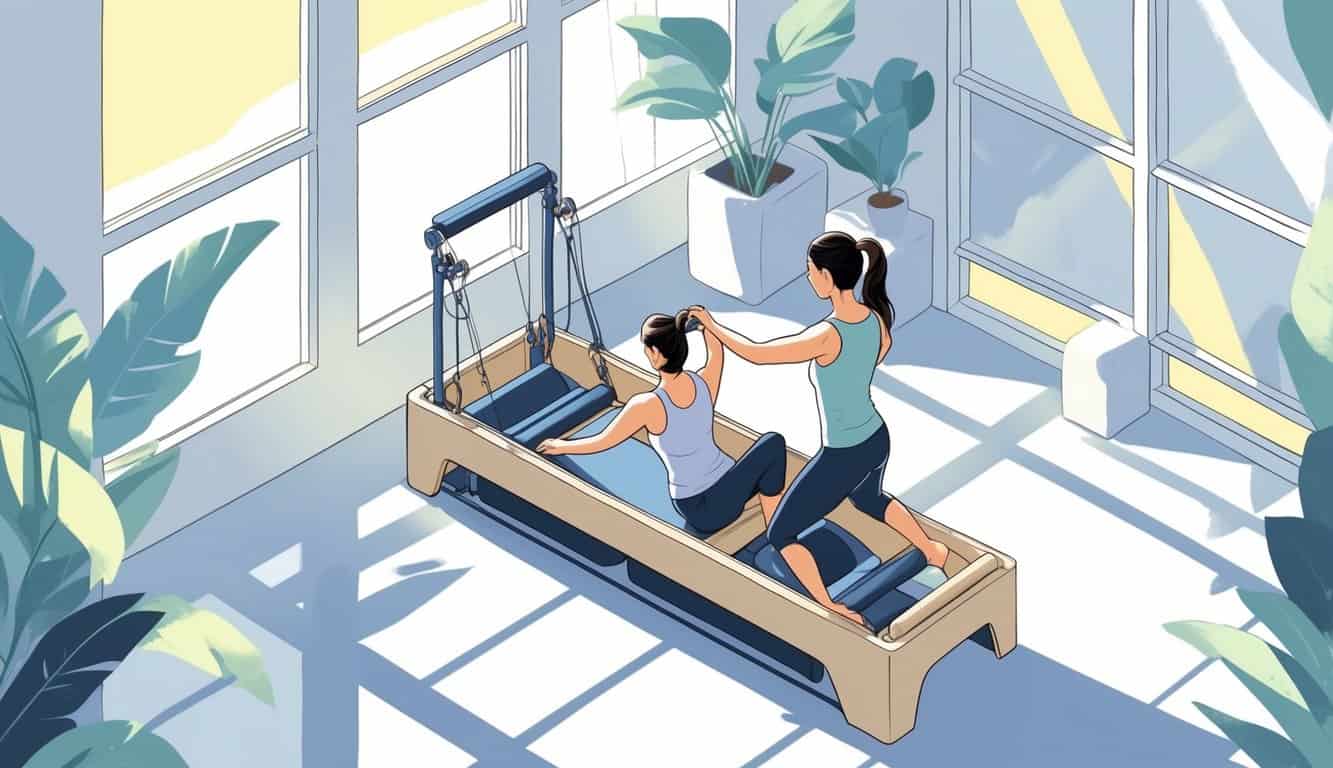
I often describe an LA Pilates Private Pilates Class as a tailored movement session rooted in classical Pilates principles but delivered with the attention of modern rehabilitation and athletic training.
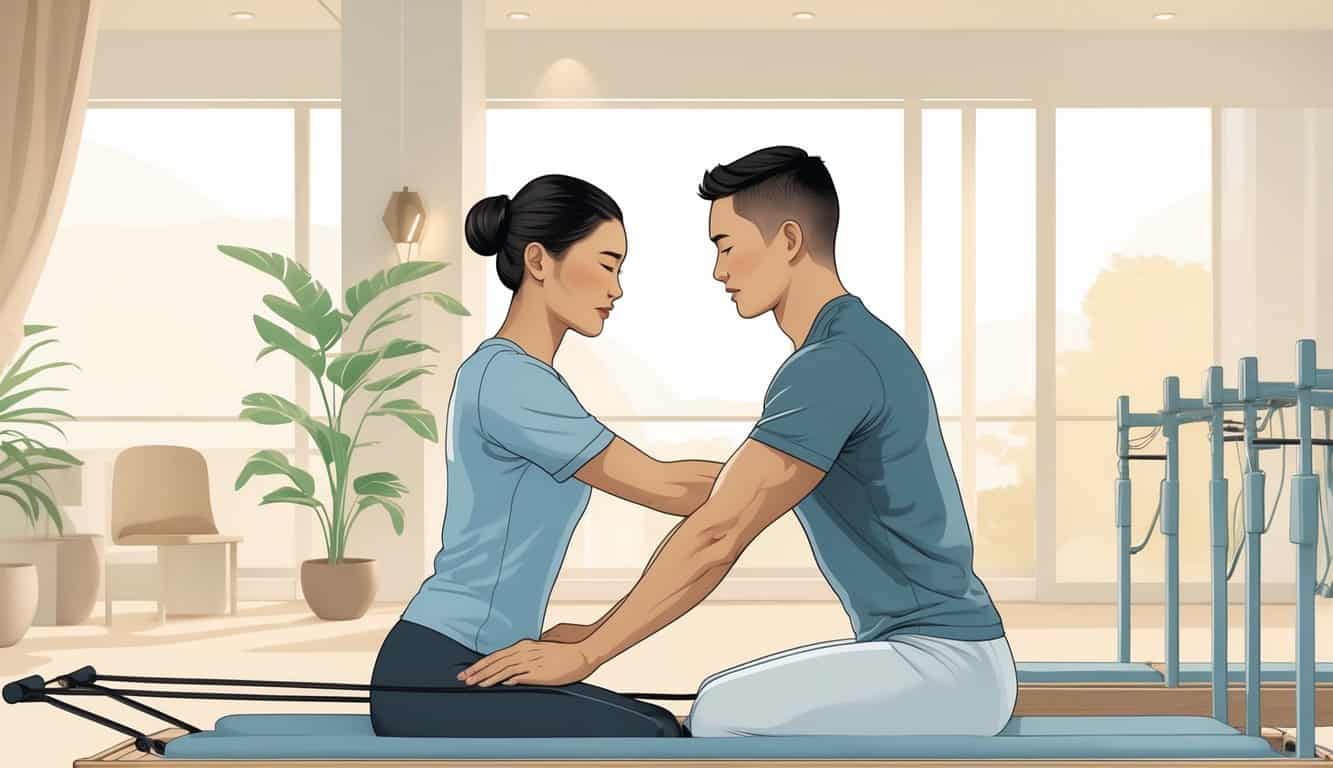
Over the years in Los Angeles and beyond, private formats have come to mean one-to-one tuition (1:1), paired duets where two clients share coaching time, and small private-group sessions for friends or teams who want personalised programming within a shared setting.
Who benefits most — beginners, rehab, prenatal, athletes
From my experience, private sessions suit a wide spectrum: beginners needing careful introduction, people in rehab requiring specific progressions, pregnant and postnatal clients who need safe modifications, and athletes seeking sport-specific strength and mobility work.
The real advantage is that each of these populations receives programming and cues aligned to their unique needs, rather than a one-size-fits-all class.
Benefits of Choosing Private Pilates at LA Pilates
Faster progress with individualized programming
I have seen clients accelerate gains when programmes are customised. In a private setting we can assess movement patterns, prioritise weaknesses, and progress difficulty or load precisely — which typically produces faster strength, control and movement quality improvements than generic group classes.
Targeted rehabilitation, posture correction and injury prevention
Historically, Pilates evolved as a rehabilitation tool; our private sessions continue that lineage. I use specific corrective progressions to address postural imbalances, reduce compensatory movement and design injury-prevention strategies tailored to daily demands, whether desk work or elite sport.
Flexible scheduling, privacy and focused technique work
One practical benefit I value is flexibility: private sessions adapt to clients’ timetables and offer a discreet space for concentrated technique work.
For many, the privacy reduces anxiety and enables deeper focus on motor learning and breath control without distractions.
Class Formats, Equipment & What Each Delivers
Mat vs Reformer vs Cadillac/Chair — when we use each
Through the years I’ve matched equipment to goals: mat work builds foundational control and awareness; the Reformer adds resistance and dynamic carriage work for strength and coordination; the Cadillac and Chair enable vertical loading, advanced spring-based progressions and refined scapular or pelvic control.
Each piece delivers distinct neuro-muscular stimuli and I choose them based on assessment.
Duet and small-group dynamics — shared coaching, individual modifications
Duets and private groups are cost-efficient but still highly individualised. In my duet sessions I alternate close coaching and observation so each client receives bespoke modifications while benefiting from shared motivation and partner-driven cueing.
Props and assessment tools used during sessions
I regularly use props—bands, small balls, blocks, foam rollers—and assessment tools like posture grids and mobility screens.
These support tactile feedback, progressive loading and objective baseline measures that guide programming across sessions.
What to Expect in Your First Private Session
Initial intake: posture, movement screening and goal setting
My first session always starts with an intake: a brief health history, posture photos and movement screens that reveal breathing patterns, hip and shoulder mobility, core activation and asymmetries.
Together we set short- and long-term goals that are realistic and measurable.
Typical 50-minute session timeline: warm-up, core work, targeted exercises, cool-down
A typical 50-minute session follows a predictable rhythm: mobility and breath-based warm-up (10–12 minutes), focused core and control work (15–18 minutes), targeted strength or rehab exercises (15 minutes) and a short cool-down or mobility release (5 minutes) to consolidate learning.
How progress is tracked and recommended follow-ups
I keep concise session notes, track objective tests and take occasional photos or movement videos. From those records we schedule follow-ups based on progress — weekly for rehab, fortnightly for skill-building, or a mixed cadence for maintenance and busy schedules.
Sample Session Plans (by goal)
Posture & desk-worker plan — 50-minute sample sequence
For desk workers I typically include thoracic mobility, scapular stabilisation, ergonomic breathing retraining and endurance-based core work. A 50-minute flow might begin with diaphragmatic breathing and foam‑roll thoracic release, move into Reformer scapular series, progress to standing postural strength, and finish with deep hip-openers and cue reinforcement.
Rehab/low-back support plan — safety-focused modifications
In rehab for low-back support my priorities are pain-free movement, motor control and progressive loading. I use neutral-spine activation, gentle pelvic tilts, supported bridging on the Reformer and gradual eccentric control work—always modifying range and load to avoid symptom flare-ups.
Strength & athletic performance plan — progression over 6–8 weeks
For athletes I design mesocycles: weeks 1–2 focus on mobility and control, weeks 3–4 build strength and power on the Reformer and Chair, and weeks 5–6 introduce sport-specific dynamic sequences. Over 6–8 weeks clients typically gain better force transfer, balance and injury resilience.
Pricing, Packages & Value Options
Single sessions, multi-session packages and memberships explained
Studios usually offer single-session rates, discounted multi-session packages and membership plans for regular clients.
In my experience, packages provide the best value because consistent coaching is the main driver of improvement — and memberships add scheduling convenience and priority booking.
Private class gift vouchers, corporate rates and event bookings
Many studios, including ours, offer gift vouchers for private sessions, corporate wellness deals for office teams and bespoke bookings for events or retreats.
These options make private Pilates accessible for gifting and workplace wellbeing programmes.
What’s included: assessment, equipment access, follow-up notes and cancellation policy
A typical private class package includes the initial assessment, full access to studio equipment during sessions, short follow-up notes or home-exercise suggestions, and a clear cancellation policy — usually 24–48 hours to avoid fees.
I always recommend checking those details at booking and reviewing the Terms of Service before confirming.
How to Choose the Right Instructor
Certifications, specializations and years of experience to look for
When choosing an instructor I look for credible Pilates certifications, further training in rehabilitation or sports conditioning, and practical teaching experience.
Years on the mat matter, but so does continued education in areas like pre/postnatal care or physiotherapy collaboration.
Questions to ask during booking: approach, injury experience, session goals
Ask potential instructors about their teaching philosophy, experience with your specific concerns, and how they measure progress.
I usually encourage clients to enquire about a trial session to feel the coach’s style and confirm alignment with their goals.
Safety, Medical Clearance & Modifications
When to seek medical clearance and provide health history
Seek medical clearance for recent surgeries, unstable medical conditions, or severe osteoporosis. I always request an honest health history because it shapes safe progressions; when in doubt we liaise with a client’s medical team before advancing load or range.
Common modifications for pregnancy, postnatal and injury recovery
Pregnancy modifications include avoiding supine compression after the first trimester, emphasising pelvic floor and breathing, and using supportive props. Postnatal work focuses on diastasis recti checks and graduated abdominal loading, while injury recovery prioritises pain-free ranges, tempo control and staged reintroduction of load.
Private Classes vs Group Classes vs Personal Training
Key differences in coaching, programming and outcomes
Private Pilates delivers bespoke programming and detailed hands-on cueing. Group classes offer community and general conditioning but less precise correction. Personal trainers may focus more on weight-based strength and metabolic conditioning; private Pilates blends movement quality with rehabilitative and performance outcomes.
How to decide based on budget, goals and time availability
If your primary goal is rehab, posture correction or rapid technical improvement, privates are worth the investment.
If budget or time is limited, combine occasional privates with group classes or PT sessions to balance cost with personalised coaching.
Virtual & Hybrid Private Pilates Options
How an online private session works and what gear you need at home
Virtual privates, which became common historically during travel restrictions, use video platforms for live coaching.
At home you need firm flooring, a yoga mat, a band and a small ball; optional items like a Pilates ring or mini-Reformer substitute can enrich sessions.
I coach cues, eye contact and movement corrections through clear verbal instruction and camera positioning, and I share Latest News and Insights when studio updates affect scheduling.
Blended plans: alternating studio machine sessions with virtual check-ins
A blended approach mixes in-studio machine sessions (for Reformer and Cadillac work) with virtual check-ins to reinforce home practice.
I’ve found this model sustains progress while keeping costs and travel time manageable for clients.
Results, Tracking Progress & Real Client Outcomes
Typical timelines for visible improvements and measurable gains
From my observations, clients notice improved posture and body awareness within 3–6 sessions, measurable strength and endurance gains within 6–12 weeks, and meaningful rehab outcomes over 3–6 months depending on severity.
Consistency and adherence to prescribed home work play large roles.
How instructors measure progress: mobility tests, strength benchmarks, posture photos
I use simple mobility screens, timed holds, movement quality scores and repeat posture photos to quantify progress.
These metrics guide weekly adjustments and keep clients motivated by showing tangible improvements.
Booking, Preparation & Studio Etiquette
How to book (online, app, phone/WhatsApp) and cancellation/reschedule rules
Booking is usually available online, through an app or by phone/WhatsApp for convenience.
Cancellation policies differ by studio; I recommend noting the 24–48 hour reschedule window and any no-show fees when you book to avoid surprises.
What to wear, what to bring, arrival time and COVID/safety protocols
Wear form-fitting, comfortable clothing that allows observation of alignment; bring a water bottle and any medical notes.
Arrive 5–10 minutes early for intake and to settle.
While strict COVID rules have relaxed, many studios still maintain sanitised equipment and optional mask policies—check current protocols before arrival.
Frequently Asked Questions (concise answers)
How many private sessions will I need?
It depends on goals: 6–12 sessions are common for technique and postural change, while rehab may require longer blocks. I usually recommend an initial 6-session plan then reassess.
Can private classes help with an existing injury?
Yes—private Pilates is well-suited for injury rehabilitation when paired with appropriate medical clearance and communication with your healthcare provider.
Do you offer prenatal/postnatal private classes?
Yes, many instructors offer prenatal and postnatal privates with safe modifications and specialised progressions; always disclose pregnancy stage and any complications during booking.
Is insurance or HSA/FSAs accepted?
Insurance and HSA/FSA eligibility vary by provider and region. Some clients claim sessions when prescribed for rehabilitation; check with your insurer and ask the studio for receipts and diagnostic codes if needed.
Contact, Locations and Call to Action
Studio address, hours, parking and virtual session links
Our studio locations and hours vary by neighbourhood; please contact us via phone or WhatsApp for the nearest address, parking suggestions and virtual session links.
We aim to make booking and arriving straightforward for city and suburban clients alike.
Next steps: book a free consultation, trial private session or view pricing
If you’re curious about an LA Pilates Private Pilates Class, take the next step: book a free consultation, schedule a trial private session or request our pricing guide.
I’m always inspired by clients who commit to focused change — and I’d be honoured to guide your movement journey.